

If you're looking for ways to enjoy your audio without relying on a smartphone, maybe it's time to dust off that old MP3 player or invest in a new one.
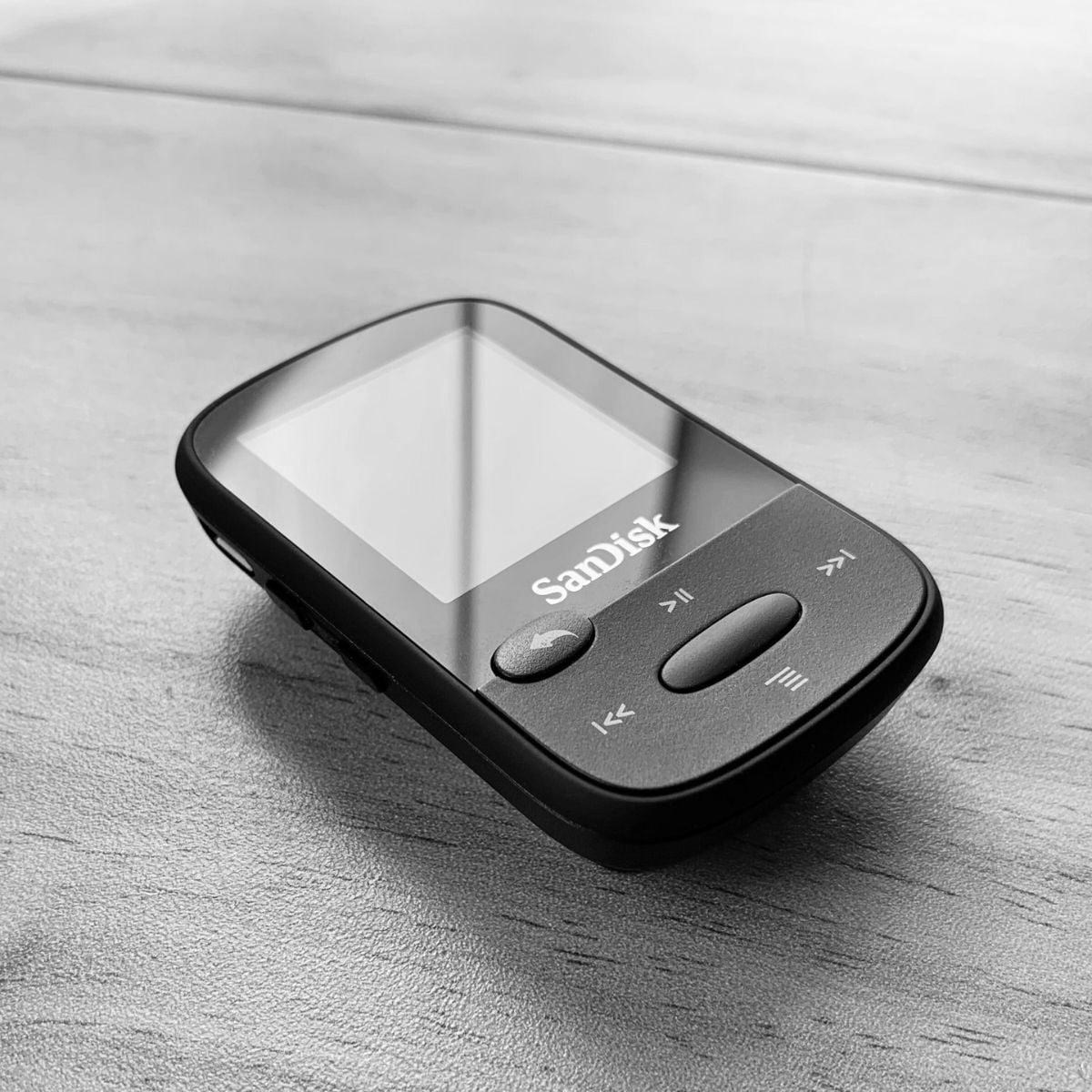
In a world full of smartphones and fancy gadgets, you might be wondering why on earth I'm still rocking an old-school MP3 player.
Well, let me spill the beans on why this tiny device has become my ultimate audio companion.
Jump to:
Audio, without distractions
You know what's great about using an MP3 player? It's all about the audio, minus the constant distractions.
No notifications, no social media rabbit holes—just pure tunes, audiobooks and podcasts. Plus it's so straightforward and allows you full control over your experience.
These MP3 players are especially great if you are trying to cut down on phone use or over-reliance on smart technology.
I can now leave the house without my phone and still enjoy listening to my favourite podcasts on my journey.
Sourcing audio
- Podcasts
Simply download the mp3 file to your computer, where available (from SoundCloud, Patreon, Substack or wherever your podcast shares its audio)
If you can't find a place to download, try this: Search for the podcast episode on Google Podcasts > Right-click on the page and choose 'view page source" > Search the page for "MP3" > Copy the link that contains .mp3 and paste into a new tab. It should be the audio track. Click the three dots on the end and choose download.
You can also try torrenting free podcast episodes. - Music
Burning CDs - buy new online, second-hand or borrow from your library and burn them onto your computer
Download mp3s - When purchasing through Apple Music, Amazon Music, Bandcamp etc. you can choose to download the mp3 files - Audiobooks
You can source free audiobooks from Open Culture, burn CDs that you buy or borrow from your local library or purchase MP3 files from sites like Hive.co.uk, Downpour and Audiobookstore.
Organise your audio
One of the benefits of using streaming services and apps to organise your audio is how easy it is to organise everything on a visual interface.
You don't get that same thing with old-school MP3 players but with an initial bit of effort up front, you can have a super simple and easy-to-use setup going.
- Create folders for audio types (eg. 3 folders - Music, Podcasts and Audiobooks)
- In your music folder, create a separate folder for every artist. In each of those folders create a folder for the album, where the mp3 files will be stored.
- Copy the same approach for Podcasts and Audiobooks - creating folders for the names of the show or books and storing the mp3 files inside the respective folders.
- Pay close attention to the names of the files and make sure they have the correct track, chapter or episode number so they will play in the correct order.
- Connect your mp3 player to your computer where the files are stored, via USB, and copy the entire folder into your mp3 player.
Always check your specific mp3 player instructions as the method may differ slightly.
Recommended mp3 players
I personally use the Sandisk ClipJam. It's affordable, portable, and gets the job done without any fuss.
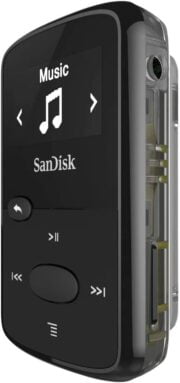
Why did I choose this one? Mostly because it's one of the most straightforward and affordable ones still on the market. But there are plenty of similar options out there.
Look for something lightweight, with good storage capacity, and easy navigation.
Other mp3 players to consider:
- Sony Walkman
- Sandisk Clip Sport (slightly different to the Clip Jam)
- Refurbished iPod (check your local second-hand electronics store or eBay)
Let me know in the comments if you have any other recommendations!
Listening habits
You may need to adjust how you listen to older technology.
For example, does the MP3 player support Bluetooth headphones/AirPods? If not, you will need to pick up some wired headphones/earphones.
Likewise, with Bluetooth speakers, you will need to pick up a wired speaker if you want to listen that way too.
Old MP3 players likely won't remember where you stopped listening on certain tracks and albums, so you will also need to keep a mental note of where you paused when it comes to audiobooks and podcast episodes.
Conclusion
Some of this may sound a little inconvenient, but as far as I'm concerned - the benefits outweigh the negatives.
Being able to focus on what you're listening to without annoying distractions is a whole other experience and allows you to re-train your brain to need less stimulation, and grow more patience.


Leave a Reply